





Introduction
A loading dock is one of the most hectic areas in a warehouse or distribution center. It’s literally where the action happens – products are coming and going, deadlines are met – or missed – and the whole operation either hums along or grinds to a halt. People in the business tend to invest in commercial dock equipment in Baton Rouge, LA, usually because they’ve caught on fire and then fizzled out from experiencing recurring bottlenecks, safety worries, and equipment breakdowns, which keep wrecking productivity.
Picking out the right system isn’t just about being convenient – it’s about getting the job done safely and efficiently, while also protecting your facility from any long-term disasters.
Essential Guide to Safe Dock Equipment Systems Pro
1. Getting A Handle on the Main Types of Dock Equipment
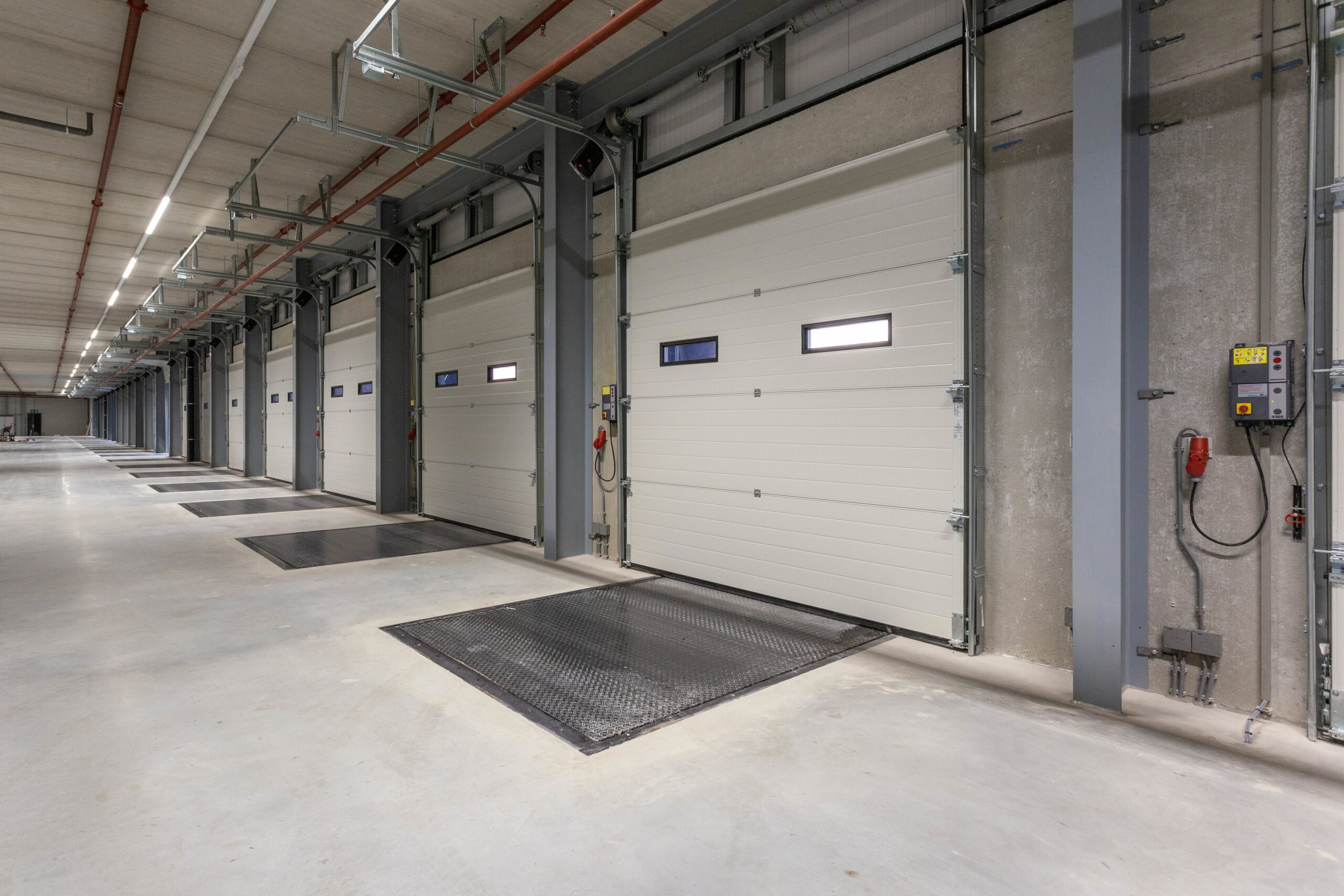
Commercial docks are pretty standard – they’ve got things like dock levelers, seals and shelters, bumpers, vehicle restraints, and overhead doors. Dock levelers are the bit of kit that makes the gap between trucks and the warehouse floor level – they’re pretty crucial. Seals and shelters keep the weather and cold out – and also save on heating. Vehicle restraints make sure the trailer doesn’t start moving while you’re in the middle of unloading.
Each component is there to help make the loading process a safe and smooth one – though the right combo to go for is going to depend on the traffic coming in, what kind of trucks you’re dealing with, and what sort of goods are being transported.
2. Meeting Safety Standards
Safety isn’t something you can just tick off a list in a warehouse – especially when it’s as busy as it is. There are federal guidelines and industry standards that say fall protection, secure trailer positioning, and proper equipment maintenance are all non-negotiables. Failing to keep on top of this stuff is going to land you with some serious injuries or worse – damage to your products.
Regular checks on your dock systems are essential – as is training your staff on how to use the equipment. The clearer things are, the less likely it is to go wrong.
3. Choosing the Right System for Your Setup
Every facility is different – and so are their needs. High-volume distribution centres need heavy-duty gear that can take the strain – smaller warehouses can get by with something a bit more basic that’s more cost-effective.
Before you start shopping around, you need to think about a few things – like how much weight your equipment needs to be able to handle, how often you’re going to be using it, how exposed it is to the elements, and how much effort is going to be needed to keep it running long term. Working with the right people is essential in this respect.
4. The Importance of Regular Maintenance
Even the best equipment needs a bit of attention and care – and that’s where regular maintenance comes in. Proper commercial preventative maintenance in Baton Rouge, LA, will stop problems from getting out of hand and keep your loading dock running smoothly. If something does start to go wrong, a maintenance check will catch it before it causes any real problems.
It saves money in the long run, extends the lifespan of your gear, and means your dock will be running smoothly from one end of the year to the other.
5. Don’t Forget About Overhead Doors
Overhead doors are pretty much a make-or-break part of the dock performance – they’ve got to open and close quickly, provide some security and insulation, and be able to keep out the elements. Regular commercial overhead door services in Walker or Port Vincent, LA, know how fast things can go from bad to worse when these things go wrong.
If you look after your doors – make sure they’re properly installed, and in good nick – then the rest of your dock system is going to be working better than it should be.
Getting the right dock equipment is more than just moving stuff around – it’s about creating a safe space that can handle the hustle and bustle of the warehouse and support the business long term. By picking the right gear, following the safety rules, and keeping your equipment in line, you’ll be able to avoid all the headaches that come with costly delays and have the confidence to know that everything is going to be running like clockwork.
Conclusion
If your facility needs reliable dock solutions, get in touch with Southeastern Overhead Door at 225-753-1595. We’ve got the team to install, maintain, and service it, so you can rest easy, knowing that your loading dock is going to be running safely and efficiently all year round.
FAQs
1. How much does commercial dock equipment in Baton Rouge, LA, typically cost?
The cost depends on the equipment, capacity, and intricacy of the equipment. For instance, a standard mechanical dock leveler will be less expensive than a completely hydraulic dock leveler with safety restraints. The size of your facility is also a contributing factor to the cost. As you make your investment in commercial dock equipment in Baton Rouge, LA, it’s essential to consider the lifespan, warranty, and maintenance costs, not just the price. A site evaluation is the best way to get accurate numbers personalized to your operation.
2. What safety features should a modern loading dock have?
New docks should have restraints to stop vehicles from moving, appropriately rated dock levelers, and clear warning systems, as well as functioning overhead doors. Safety signage and worker training are also essential. Warehouses or facilities that emphasize inspection and servicing reduce the risk of worker injuries and damaged goods. Keeping everything in working order is not only a requirement; it’s a risk management measure for the business.
3. How often should dock equipment be serviced?
For most equipment, it is recommended that inspections be performed at least once or twice a year, depending on usage. Facilities with high usage may even require quarterly servicing. By scheduling commercial preventative maintenance in Baton Rouge, LA, worn-out springs, hydraulic fluid, or alignment can be caught before they cause equipment failure. Preventative care helps the equipment last longer, and the business runs smoothly without downtime.
4. Who should I call for overhead door problems at my loading dock?
Overhead doors are a critical part of dock safety and energy efficiency. However, if a door fails to close, or if it closes unevenly or makes unusual sounds, it is best to seek professional assistance. Any business, especially those utilizing commercial overhead door services in Walker or Port Vincent, LA, understands how important it is to have a functioning shipping door. A faulty door can cause major inconvenience.
Strength You Can Rely On at Every Dock.
- The Impact of Commercial Dock Equipment on Warehouse Flow
- Ways a Commercial Dock Equipment Company Boosts Efficiency
- How Modern Commercial Dock Equipment Supports Heavy-Duty Applications
📍 Reliable service available throughout Baton Rouge, LA