






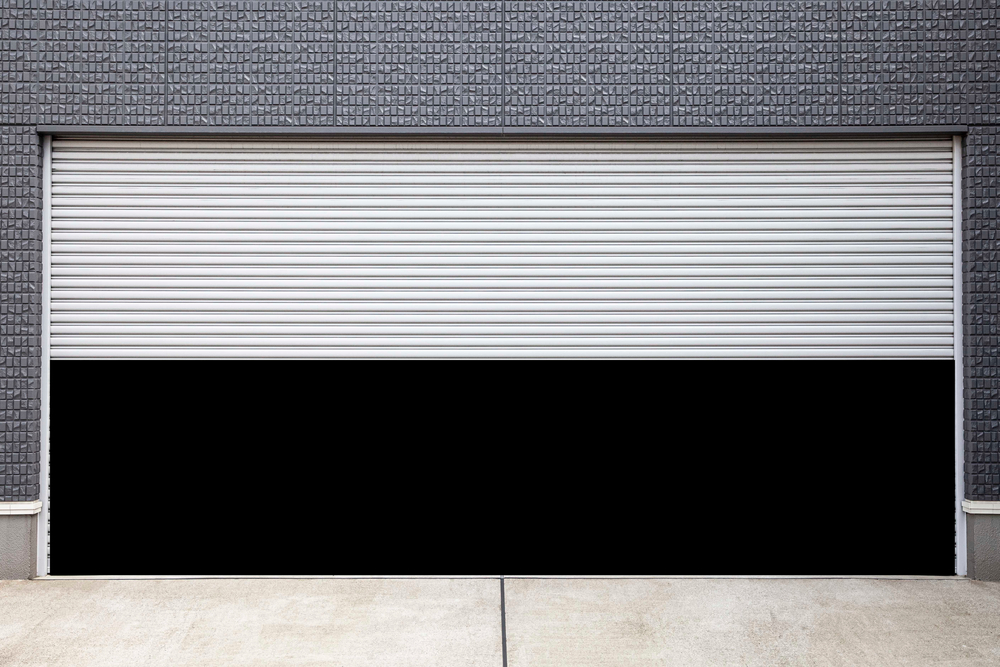
Garage doors look simple until measurement time arrives. Then suddenly, every inch starts acting important. Width matters. Height matters. Ceiling space matters. Even that awkward corner beside your track suddenly becomes part of a serious conversation.
A garage door is not just a giant moving wall. It is a heavy operating system built around balance, spacing, pressure, and movement. When measurements are off, installation becomes frustrating fast. Doors may sit unevenly, tracks may struggle, or openers may fight against unnecessary strain every day.
That is why learning how to measure for a garage door before requesting an estimate can save homeowners time, confusion, and future repair stress. The process is not difficult, but it does demand attention. Think less “construction project” and more “careful planning with a tape measure.” This blog keeps things simple, practical, and easy to follow without drowning you in technical language.
1. Measure the Garage Opening First
Start with the main opening because everything depends on those first numbers. Stand inside the garage and measure the width from one inside edge to the other. After that, measure the height from floor level up to the top of the opening. Sounds easy. Good. It should. Still, many homeowners make mistakes during this step because they rush through it. Garage openings are not always perfectly square. Concrete shifts over time. Framing settles. Older garages, especially, tend to move slightly after years of weather and daily use.
Measure width in multiple spots. Do the same with height. If numbers vary, use the smallest measurement. That gives installers a safer starting point when planning replacement options. This stage also helps identify possible garage door rough opening size concerns before installation day arrives. If framing appears uneven or damaged, that issue usually becomes visible during measurements. One smart habit is writing every measurement down immediately instead of trying to remember it later. Human memory gets strangely overconfident around tape measures.
2. Side Space Matters More Than People Expect
Most homeowners focus only on opening size and completely ignore the walls beside it. That mistake creates problems later because garage door systems need room for tracks and hardware assemblies. Measure the space between each side of the garage opening and the nearest wall. Do both sides separately because garages are rarely perfectly balanced.
You might notice obstacles during this step. Shelving units, water heaters, storage hooks, electrical boxes, or pipes often sit closer to the opening than expected. Those details matter because garage hardware needs operating space. This is why many installers appreciate homeowners who follow a proper DIY garage door measurement guide before estimate appointments. Accurate side measurements help avoid delays and installation surprises. Garage doors move under pressure every single day. Tracks cannot perform properly if squeezed into tight areas. Hardware needs breathing room, just like engines need airflow. Restrict movement space, and problems eventually show up.
3. Check Ceiling Clearance Carefully
This step separates rushed measuring jobs from smart ones. Garage doors travel upward when opening, which means ceiling space becomes part of installation planning. Measure the distance between the top of the garage opening and the ceiling. This area is called headroom. Without enough overhead space, opener systems and track setups become limited. Some garages need modified hardware arrangements simply because the ceiling clearance is too tight.
That is where measuring garage door headroom becomes important. A few extra minutes spent checking overhead space can prevent serious frustration later. Take a careful look upward while measuring. Many garages contain hidden obstacles that homeowners stop noticing after years of seeing them every day. Hanging bikes, ceiling storage racks, attic ladders, and light fixtures often interfere with garage door travel paths. A garage door needs space to move freely. If something blocks that path, installation planning changes immediately. Think of it this way. A garage system may look calm sitting still, but once it starts moving, every inch around it becomes active territory.
4. Measure Backroom Space Inside the Garage
Backroom refers to the depth inside the garage from the opening toward the rear wall. This measurement matters because garage doors travel overhead after opening. Measure from the garage opening straight back into the garage interior. If you plan on adding an opener, include extra space for opener rails and motor placement.
This part often surprises homeowners. Garages may look spacious until opener hardware comes into play. Suddenly, ceiling storage, shelves, and hanging equipment start competing for space. This measurement also helps contractors prepare a realistic garage door replacement estimate based on the actual working space inside the garage. Insulated doors, thicker panels, and opener styles can all influence installation requirements. That is why accurate backroom measurements matter more than most people expect.
5. Take Photos Before Requesting an Estimate
Photos can provide important details that measurements alone may miss. They help installers better understand the garage layout, existing conditions, and possible installation challenges before the project begins. Clear images also make estimate discussions more accurate and organized.
- Take photos of the garage opening, ceiling space, tracks, side walls, and existing opener system.
- Capture any visible damage, uneven flooring, or limited overhead clearance.
- Add measurement labels directly onto photos to keep information organized.
- Well-documented photos help installers prepare accurate recommendations with less guesswork.
- Proper preparation can make the replacement process smoother and less stressful from start to finish.
Garage door measurements may appear simple at first, but small details carry major importance during replacement planning. Width, height, side room, headroom, and garage depth all affect how a door operates once installation begins. Taking careful measurements helps avoid sizing mistakes, opener problems, and unnecessary delays later. Photos also help create clearer communication during estimate discussions. A garage door handles a serious daily workload, so preparation matters from beginning to end. Spending extra time with a tape measure today can prevent frustration later while helping your replacement project move forward with stronger planning and better long-term performance.
“Strong measurements create a smoother garage door replacement from start to finish. Southeastern Overhead Door helps homeowners prepare with clear guidance and dependable support. If your garage door feels outdated, damaged, or poorly fitted, contact us today at 225-753-1595 for a free estimate and upgrade with confidence.”
FAQs
1. How should homeowners prepare garages before estimate visits in Baton Rouge, LA?
Homeowners in Baton Rouge, LA, should remove storage near garage walls and ceiling areas before estimate visits for easier access and inspection.
2. Can low ceilings affect garage door installations in Prairieville, LA?
Yes. Low ceiling clearance in Prairieville, LA, can affect opener placement and track system selection during installation planning.
3. Why do garage floor slopes matter during inspections in Denham Springs, LA?
Garage floor slopes in Denham Springs, LA, can affect bottom seal alignment and overall garage door balance during operation.