






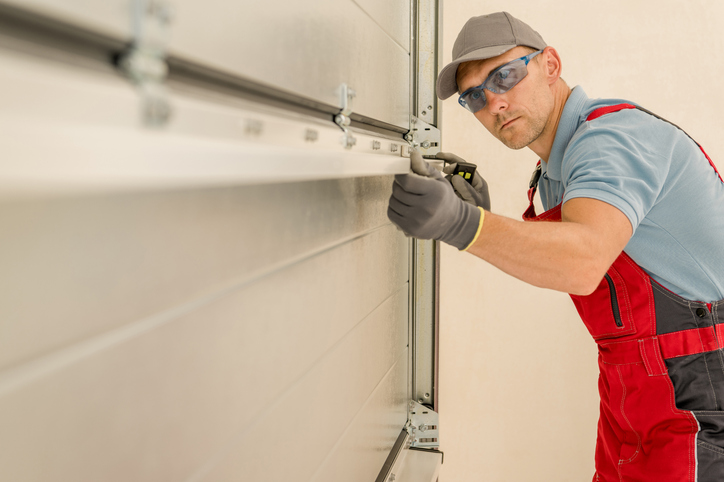
Garage doors are constantly working hard in order to lift and lower heavy masses through the power of tight springs. Although these springs are designed to withstand heavy pressure, they are also extremely temperature-sensitive. As soon as winter arrives in an area that normally has mild weather, there is bound to be an increased risk of failure.
Many homeowners realize there is an issue when they notice a problem on the coldest days of the year, when opening the garage door seems more difficult or takes longer. Garage doors that depend on springs. So, it is important to understand garage door springs in Baton Rouge, LA, to prevent an unexpected repair.
1. Cold Temperatures Cause Metal To Become Brittle
Garage door springs are made of high-strength steel that has the ability to stretch thousands of times. However, steel has properties that make it less elastic at lower temperatures. This implies that the steel spring will not be able to stretch and return as easily as it would at higher temperatures.
As a brittle spring is forced to move with a high load, the micro-cracks may propagate quickly. With time, the spring may weaken and break abruptly. Cold temperatures do not cause the failure, but they can hasten the failure of a spring that has been damaged or aged.
2. Increased Tension during Winter Operation
As the temperature drops, the metal shrinks. As a result, the spring gets a little shorter, which means there is even more tension in the spring before the garage door is operated. The increased tension means there is an added load on the spring every time the garage door is opened or closed.
This is the reason for the notorious sudden breaks that occur during winter mornings. The door system is demanding more from the spring at the precise moment when the material has the least amount of flexibility.
3. Wear and Tear Become More Obvious
Garage door springs will wear down every time the door is cycled. This will be less of a problem in warmer weather if the spring is worn out. However, in cold weather, that is no longer the case.
When flexibility reduces, the effects of years of wear become apparent at once. A spring that was in good condition in the summer can go bad in the winter because the effects of reduced strength and endurance in the metal become apparent in the cold weather.
4. Lack of Lubrication in Colder Weather
This will help to decrease friction between the coils as it moves. In cold conditions, lubricants may thicken or dry out faster. This will affect their ability to act as lubricants.
This results in uneven motion as well as increased spring pressure. Over time, the effects of the spring pressure and the resultant cold brittleness can significantly reduce the spring life.
5. Heavy doors in Cold Weather
It is worth mentioning that the cold weather could have an impact on other parts of the garage door system. Rollers could become stiff, the track could contract slightly, and the seals could become hardened.
As the door becomes more difficult to lift, the springs must work harder to support the increased weight. When this happens, the springs will be at an increased risk of failure, particularly if the springs have reached the end of their useful lifespan.
6. Safety Risks of Sudden Spring Failure
Not only can a broken spring be an annoyance, but it can be hazardous as well. The door springs contain a great deal of energy, and when a spring breaks, the sudden release of energy can cause the door to slam shut, among other things.
This explains why systems have garage door safety cables. These cables prevent damage or injury from a snapped spring. Even if a garage door system has safety mechanisms, a burst spring during winter poses potential dangers if improperly dealt with.
7. Why Professional Adjustment Matters in Winter
Cold weather causes a change in the whole system of the door. Carry out garage door spring tension adjustment to ensure the door opens and closes easily and safely as temperatures change.
Unprofessional attempts at adjustment may be dangerous. Experts are knowledgeable about the effects of temperature on tension and can provide precise adjustments that will increase the life of the spring while ensuring that the door can be safely operated.
8. The Dangers of DIY Spring Repairs
When a spring breaks, some homeowners consider fixing it themselves to save time or money. However, DIY garage door spring repair risks are significant, especially in cold conditions when springs are under higher tension.
Inadequate handling can cause serious damage or injury to the door system. Expert help ensures it gets done both safely and properly. For businesses, it also promotes commercial overhead door repair in Baton Rouge, LA, and prevents business downtime.
Conclusion
Cold weather conditions are difficult for garage door springs to handle because lower temperatures increase tension, reduce flexibility, and accelerate existing wear and tear. Even in regions that don’t experience extreme cold, winter conditions alone can be enough to push aging springs to their breaking point.
Regular inspections, proper lubrication, and timely adjustments are essential for keeping winter-related spring issues under control. Addressing minor problems early helps prevent them from escalating into costly repairs when colder weather arrives.
The same principle applies to commercial systems. Businesses searching for commercial dock equipment service near me often discover that routine maintenance is far safer and more cost-effective in the long run than waiting for unexpected breakdowns or emergency repairs.
Don’t wait for a winter breakdown. Schedule a professional inspection with our expert team at Southeastern Overhead Door at 225-753-1595 to keep your garage door operating all season safely.
FAQs
1. In what way do garage door springs tend to fail more frequently during colder months?
Low temperatures make steel less elastic and strengthen the spring force. All this speeds up degradation and reveals deficiencies that may not be apparent at higher temperatures.
2. Can I still operate my garage door if a spring breaks during winter?
Using a garage door with a broken spring is dangerous, and this is particularly the case when it is cold, and other parts of the door may be stiff as well.
3. How can I protect my garage door springs from winter damage?
The best ways to minimize the chances of a spring failure are by conducting seasonal inspections, lubricating, and adjusting tensions for the coming cold season.